
Farsons’ next chapter: building a leaner, greener and more digital business
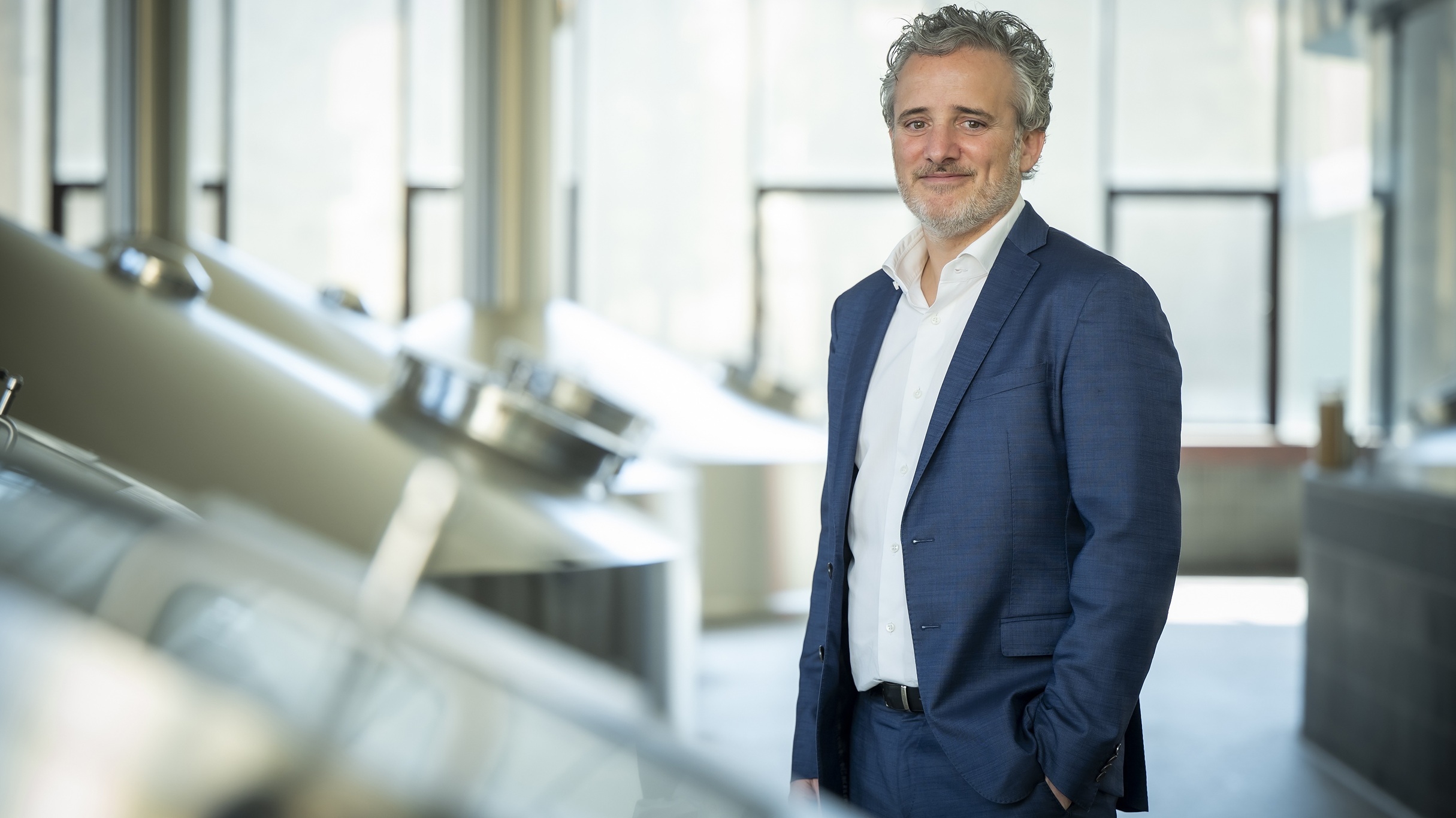
Following the successful spin-offs that led to the creation of two independently listed companies over the past eight years, Farsons is entering a new chapter, characterised by sharper strategic focus, operational transformation and a renewed emphasis on its core beverage business.
Since assuming the role of Chief Executive Officer of Simonds Farsons Cisk plc last July, Michael Farrugia has set out a clear vision for the future, built around three strategic pillars: lean, green and digital.
“Our ambition is to build a business that is leaner, greener and more digital,” Mr Farrugia said. “These three pillars will guide how we invest, operate and grow in the years ahead.
“Farsons has strong foundations, established brands and a long history of far-sighted investment and innovation. My responsibility is to build on these strengths and position the business for the opportunities and challenges that lie ahead.”
Mr Farrugia joined Farsons in April 2006 as an Export Executive, having previously studied European History at the University of Edinburgh and worked in EU affairs in Brussels. His early years in the newly set up export team provided exposure to different areas of the business, including production, logistics, finance, sales and marketing. He subsequently progressed through a series of senior management roles and directorships, while completing an MBA at Warwick University.
His experience in international markets helped shape his understanding of the importance of investment, innovation and competitiveness.
“Working in exports gave me a valuable perspective and insight into all parts of the organisation,” Mr Farrugia said. “My experience on the shop floor was especially critical to understanding the business of brewing and manufacturing.”
Strategic direction
Today, that philosophy is reflected in the company’s strategic direction.
“Being lean is about operational excellence and continuously challenging how we operate, simplifying processes, eliminating inefficiencies and improving productivity,” he said. “Being green is about operating more sustainably, reducing our environmental impact and making the right choices for the benefit of people and planet. Being digital is about leveraging technology, systems and data to take better decisions and make it easier for our customers to do business with us.
“They are all interconnected strategic priorities that will help us build a more competitive, customer-centric organisation that is agile, innovative and both local and international in scope and ambition.”
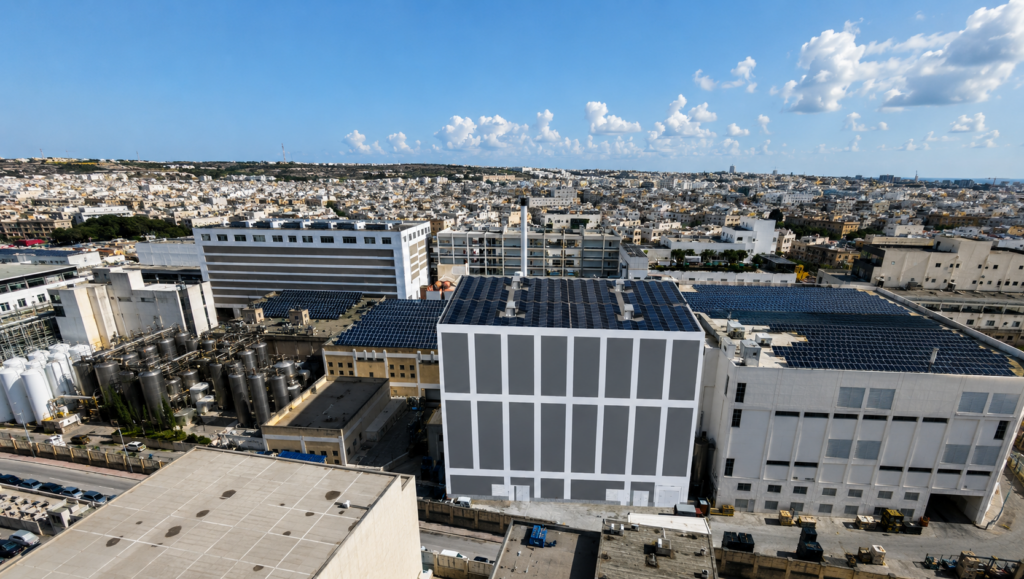
A major investment in a new logistics facility is among the initiatives currently being undertaken.
“This investment represents much more than an expansion of our logistics capacity,” Mr Farrugia explained. “It represents a step change in automation, in how we operate and in how we feed our lines. The 32-meter-high facility has also been designed with sustainability at its core, incorporating a substantial rooftop photovoltaic (PV) installation, which will add to the brewery’s already expansive PV farm.”
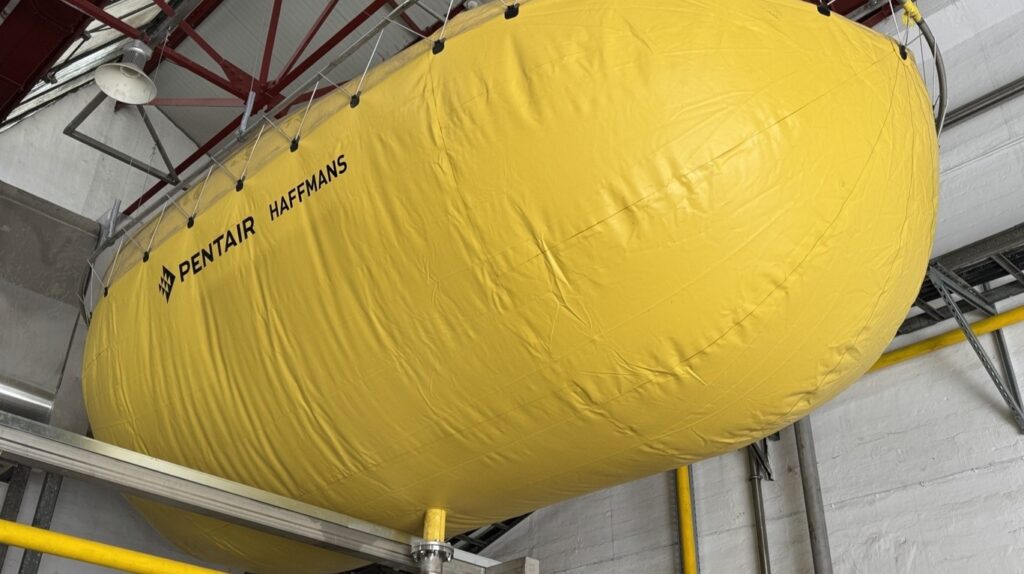
In parallel, Farsons has also recently invested significantly in reducing its carbon footprint through the electrification of its commercial fleet, a plant that recovers CO2 from the brewery’s fermentation process, as well as a switch to cleaner fuels.
“These investments are not only sustainability-led decisions that will decarbonise our business but are also commercially driven to make better use of our resources, improve efficiencies and continuously improve how we operate and serve our customers,” Mr Farrugia affirmed.
Culture and performance
While strategy and investment provide the direction, Mr Farrugia believes that the success of any transformation ultimately depends on people and organisational culture.
Referring to the well-known quote attributed to management thinker Peter Drucker, “Culture eats strategy for breakfast”, he emphasised that the two must work together.
“A clear strategy is essential, but it has always been our people who bring that strategy to life. You can have the best plans in the world, but without the right team and culture, every company will struggle to achieve its objectives. Talented individuals can achieve a great deal, but they achieve far more when trust and transparency prevail and collaboration is encouraged at every level across the organisation.”
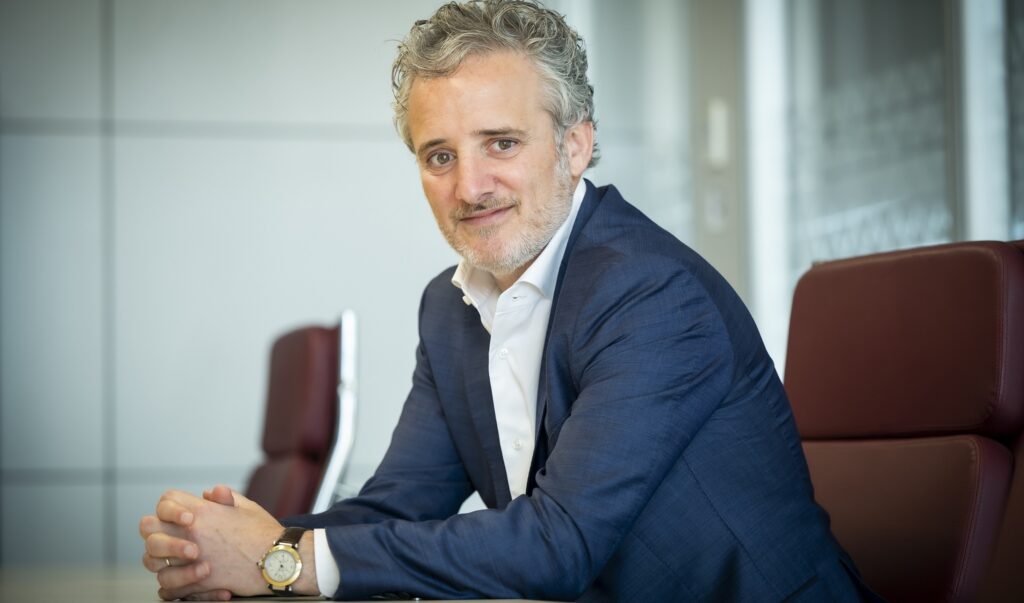
Mr Farrugia said that Farsons has earned a reputation over several decades for taking the long view and investing continuously in its employees, something he considers an important part of the company’s identity.
“We are proud of that legacy. Farsons has always recognised the importance of its people, and that is something we want to preserve and strengthen.
“For me, building the right culture is critical to success and you do that by creating an environment where people feel respected and trusted enough to take responsibility and challenge the status quo.”
Competing for talent
Mr Farrugia also acknowledged the increasingly competitive market for qualified, experienced employees, noting that expectations on both sides of the employment relationship have evolved considerably.
“Attracting and retaining talented people requires more than offering competitive employment conditions. People want to be recognised, rewarded and provided with clear career paths and growth opportunities. They often want to feel part of something worthwhile.”
Developing the next generation of talent is another priority.
“I believe strongly in attracting capable, young people, exposing them to different areas of the business and giving them the opportunity to develop their full potential,” he said. “Fresh perspectives are valuable, especially in large, legacy organisations such as ours, where established ways of working can sometimes go unquestioned.”
A sharper focus on the core business
The renewed strategic direction follows a period of significant structural change for the Farsons Group.
Over the past eight years, two independently listed companies have emerged from the group, beginning with Trident Estates and followed by Quinco plc.
Mr Farrugia explained that the separation of the property business into Trident Estates created a dedicated vehicle with its own board and management team, enabling a more focused approach to developing its property portfolio and unlocking value for shareholders.
He pointed to the successful development of Trident Park as an example of the benefits of this approach, with the project having achieved 95% occupancy.
“Trident Park has been a very successful and internationally acclaimed development, and the dedicated and focused structure has played an important role in that success.”
A similar approach was adopted last year with the spin-off of the group’s food business into Quinco plc.
The restructuring has resulted in three independently listed companies with distinct areas of focus: beverages, property and food.
“While the companies share common shareholders, each now has its own strategic direction and focus, which is especially critical when operating within an increasingly complex and competitive market environment.”
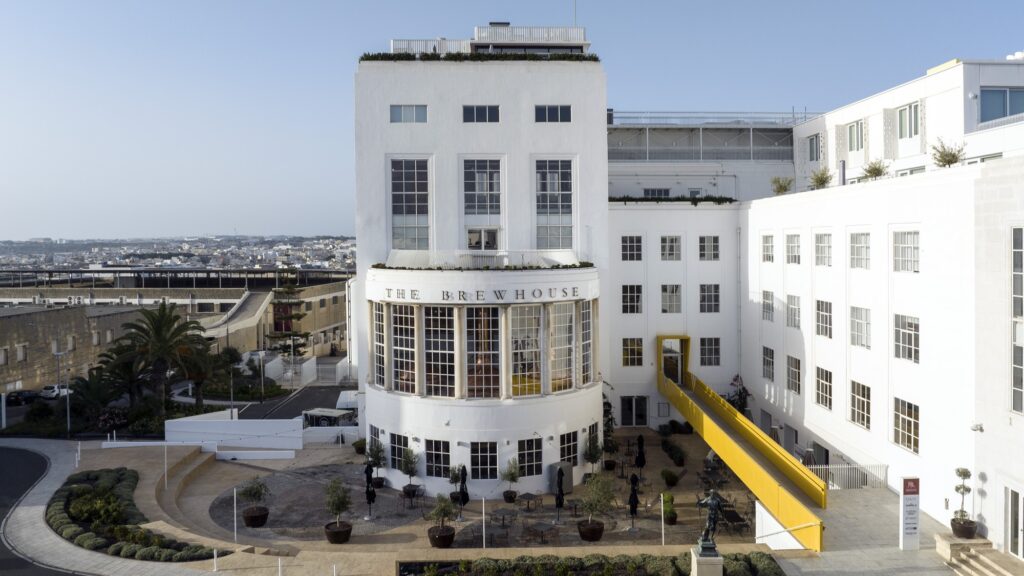
For Farsons, the changes mark a new chapter as a fully focused beverage business.
“We have a world-class portfolio of beverage brands, considerable manufacturing capabilities, strong partnerships and a well-established presence in the Maltese market. As a fully focused beverage company, we can now accelerate our agenda of change and evolution.”
The importance of asking ‘why’
Asked what single change could make a meaningful difference to the business, Mr Farrugia returned to the importance of curiosity and the willingness to challenge established ways of working.
“I believe that asking ‘why’ is one of the most important habits we can encourage across the organisation.”
“Why do we do things in a particular way? Is there a better or a simpler approach to serve our customers? How and where can we improve? These are questions we should be asking continuously.”
He stressed that challenging established practices should not be confused with questioning the achievements of the past. “Farsons has a proud history, and much of our success has been built on the hard work and foresight of generations of people who have been prepared to invest, innovate and look ahead. As we now look to celebrate our centenary in 2028, that same spirit of entrepreneurship must continue to inspire our next chapter of growth and ambition,” he said.