
APS Bank’s financial literacy initiatives
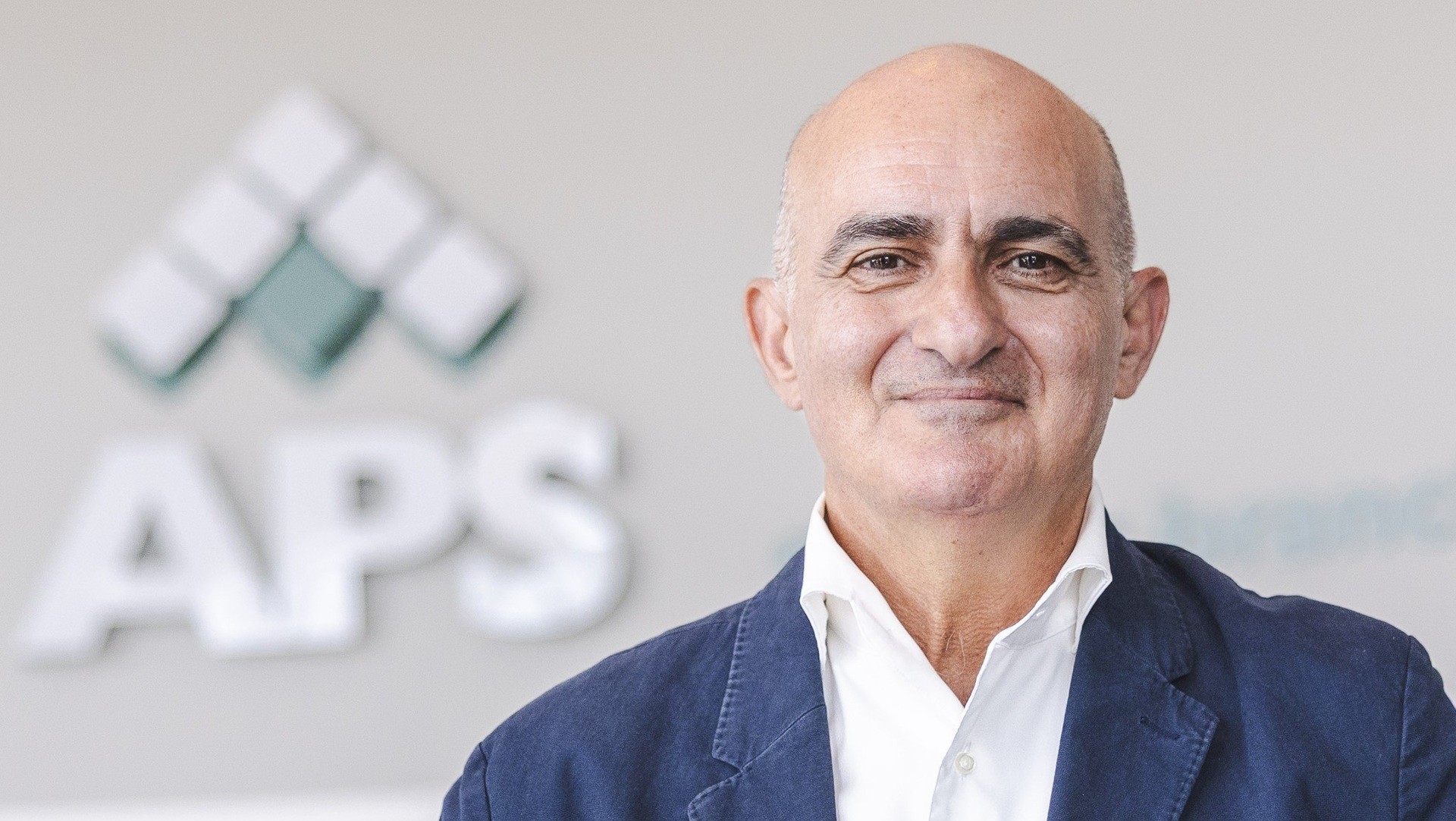
Marcel Cassar, Chief Executive Officer of APS Bank plc (above photo credit: Jean Marc Zerafa) tells Investi that the goal the bank wants to achieve in its financial literacy initiatives is to obtain behavioural outcomes that will benefit the whole population.
Financial literacy is high on the purpose list of APS Bank plc. While initiatives have predated the appointment of Marcel Cassar as the bank’s CEO in 2016, he points out that in recent years it became integral to the Bank’s sustainability agenda since it touches a number of the United Nations SDGs (Sustainable Development Goals).
SDG 1 – No Poverty, SDG 4 – Quality Education, SDG 8 – Decent Work and Economic Growth and SDG 10 – Reduced Inequality, are only a few of the 17 SDGs that place “a clear responsibility on financial institutions to encourage and expand access to banking, insurance and financial services for all”.
Mr Cassar pointed out: “Although in Malta we have a more educated population and workforce – you can’t compare us with developing countries – we know and we realise that financial literacy is very important because we see a lack of it in adult life. We see many people and families with social problems that emanate from an inability to manage basic finances, and they are on the increase.”

Sector-wide effort
APS Bank is investing in financial literacy initiatives, starting in schools with the very young, and continuing with seminars, conferences and media (TV, radio, social, news) presence. Although most times it takes its own initiative, it also participates in sector-wide activities with other banks under the aegis of the Malta Bankers Association.
Financial literacy is measured through feedback, participation surveys and various other tools. “We look at different ways to ask questions. Even when we do the follow-ups and when we do a next iteration of a survey, we look at what the outcomes were. We look at, say, how behaviours change and what people think of the way the programme was done.
“Banks have an important role to play in, ultimately, helping customers make more informed financial decisions and build the right habits,” he said
Behavioural outcomes
It is not only people with social and family challenges who need to be targeted. The younger generation also needs to be enlightened that they will stand to benefit if they start contributing to their retirement from an early stage of their career, even though their retirement may be decades away.
“I see this also from our employees,” Mr Cassar observed. “We were one of the first employers in Malta to introduce a non-contributory pension scheme for our staff. That is, every month a percentage of the salary is contributed by the bank to a pension plan, and that’s extra to the salary, performance bonus and various other generous benefits. Of course, they can then top it up.
“We monetise it and communicate, telling them, ‘This is how much it’s worth, how much is in your retirement pot’. But sometimes, especially the younger staff when they come to make a career change and decide to move on for “a better salary”, we tell them, ‘But are you making the right comparison with what you’re going to get elsewhere?’ ”
Some of them, still in their 20s, will tell you, ‘I don’t count it. It doesn’t mean anything. Pension, retirement – what is that? Someone might take care of it.’ It might be the parents. Who knows? The message that needs to be continually communicated is: ‘it is going to be harder to maintain the same standard of living when you come to retire if you do not provide for it earlier in life’.